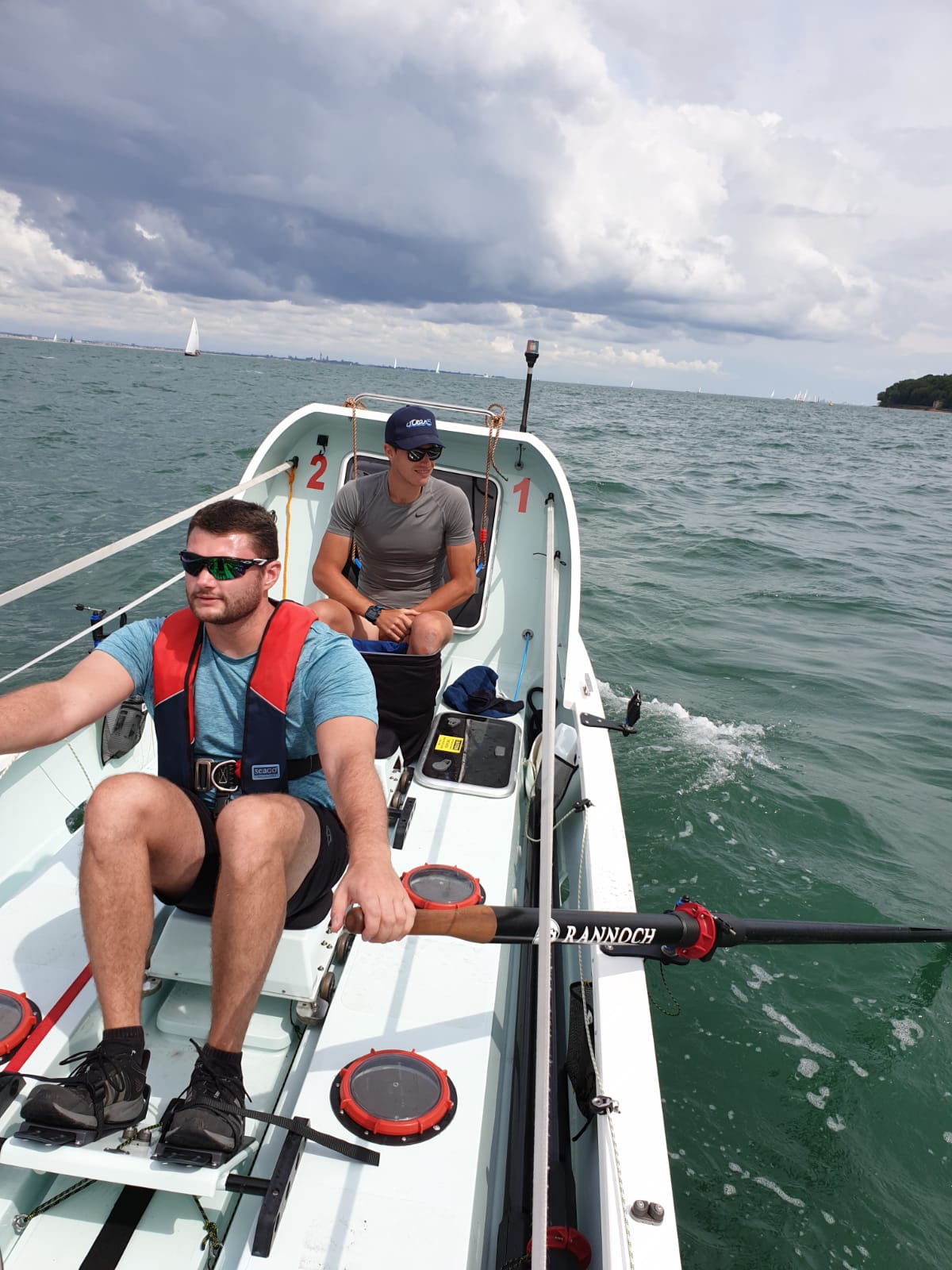
 We are delighted to be one of the sponsors of a team of rowers taking part in this year’s Talisker Whisky Atlantic Challenge to raise awareness of plastic waste in the ocean.
Starting in December, theOcean 5 team will row 4,800km from the Canary Islands to Antigua. Rowers will each row about 10 hours a day and the team expects to take about 40 days to complete the journey, coping with wind, waves and storms along the way.
The Ocean 5 hope to raise £250K for the Plastic Soup Foundation, a charity that works to reduce the amount of plastic being dumped in the world’s oceans.
This is an issue close to our hearts – Lankelma’s team includes some keen sailors and we strive to reduce the impact of our work on marine environments. This includes preventing any rubbish getting into the sea; using environmentally-friendly products wherever possible and minimising waste from our drilling and testing operations.
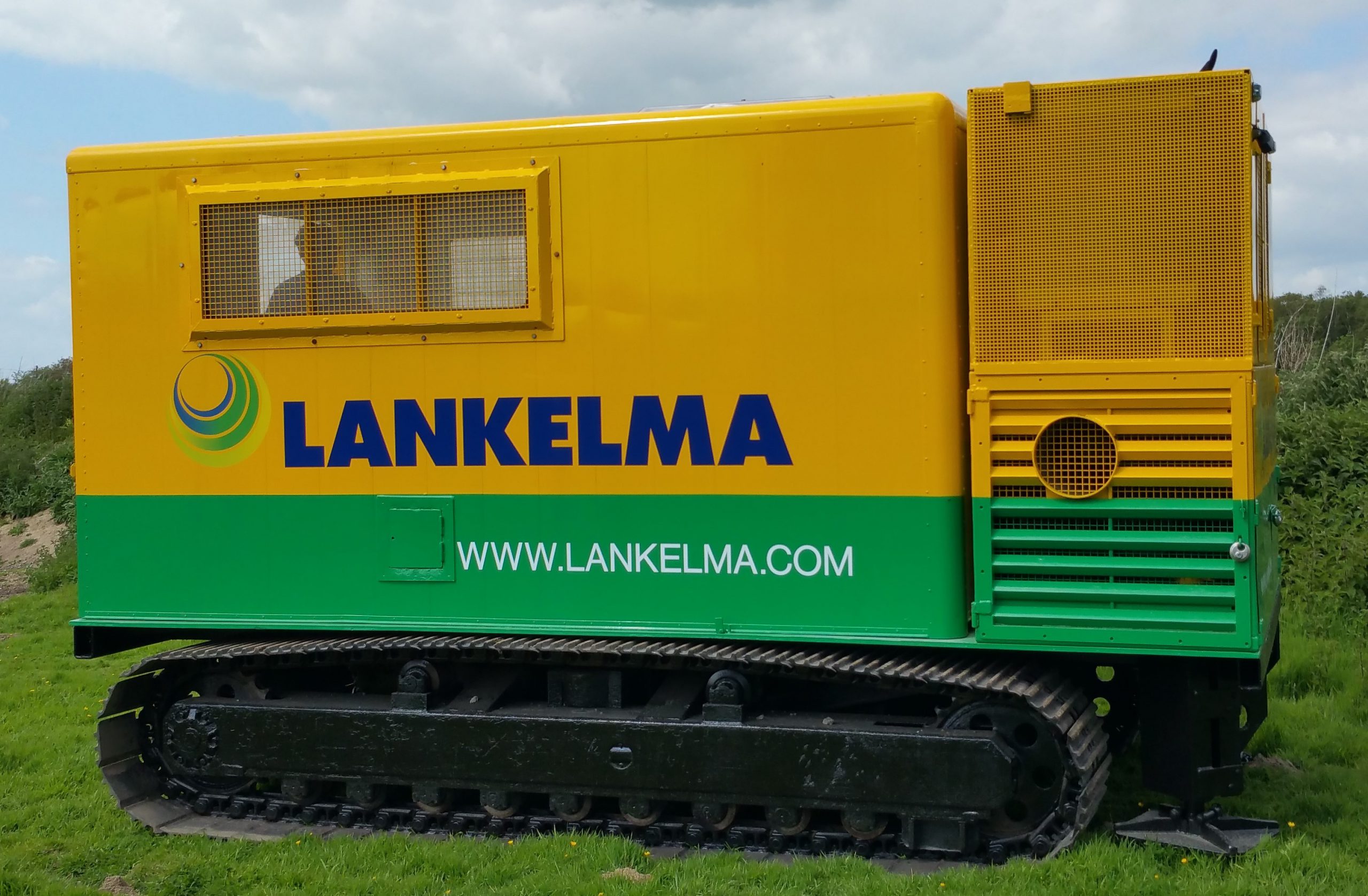
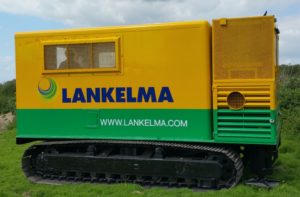 Our rapid turnaround of test results gave engineers from consultant Hydrock more time to analyse data on a recent investigation in Coton Park in Rugby. Our tracked rig UK2 carried out 28 piezocone CPTs to a maximum depth of 20m through clays and silts that became very stiff at depth.
Hydrock’s Ciaran Davis said: “We were very pleased with how Lankelma communicated with us, plus we received the preliminary reports the day after testing. Additionally, we found it extremely useful to get the full report and AGS data within three working days after finishing site works, giving us plenty of time for analysis.”
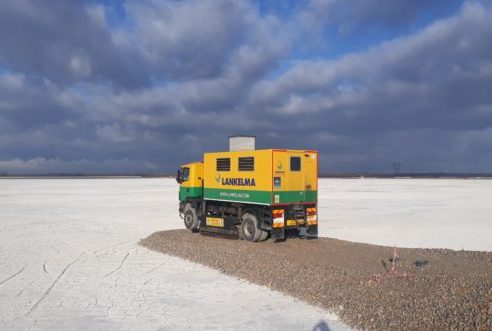
 Our steam-pressured decontamination system for cleaning rods before they re-enter the truck kept our site team safe from potential harm on a recent project for Golder Associates in Tavaux, France.
After a rapid mobilisation of our track-truck UK3 from the UK, we carried out seven piezocone CPTs, to between 20m and 30m depth, through chemical tailings at an industrial waste storage facility. We also carried out 91 dissipation tests and two in situ shear vane tests, plus we took 11 Shelby samples that were shipped to the UK for testing.
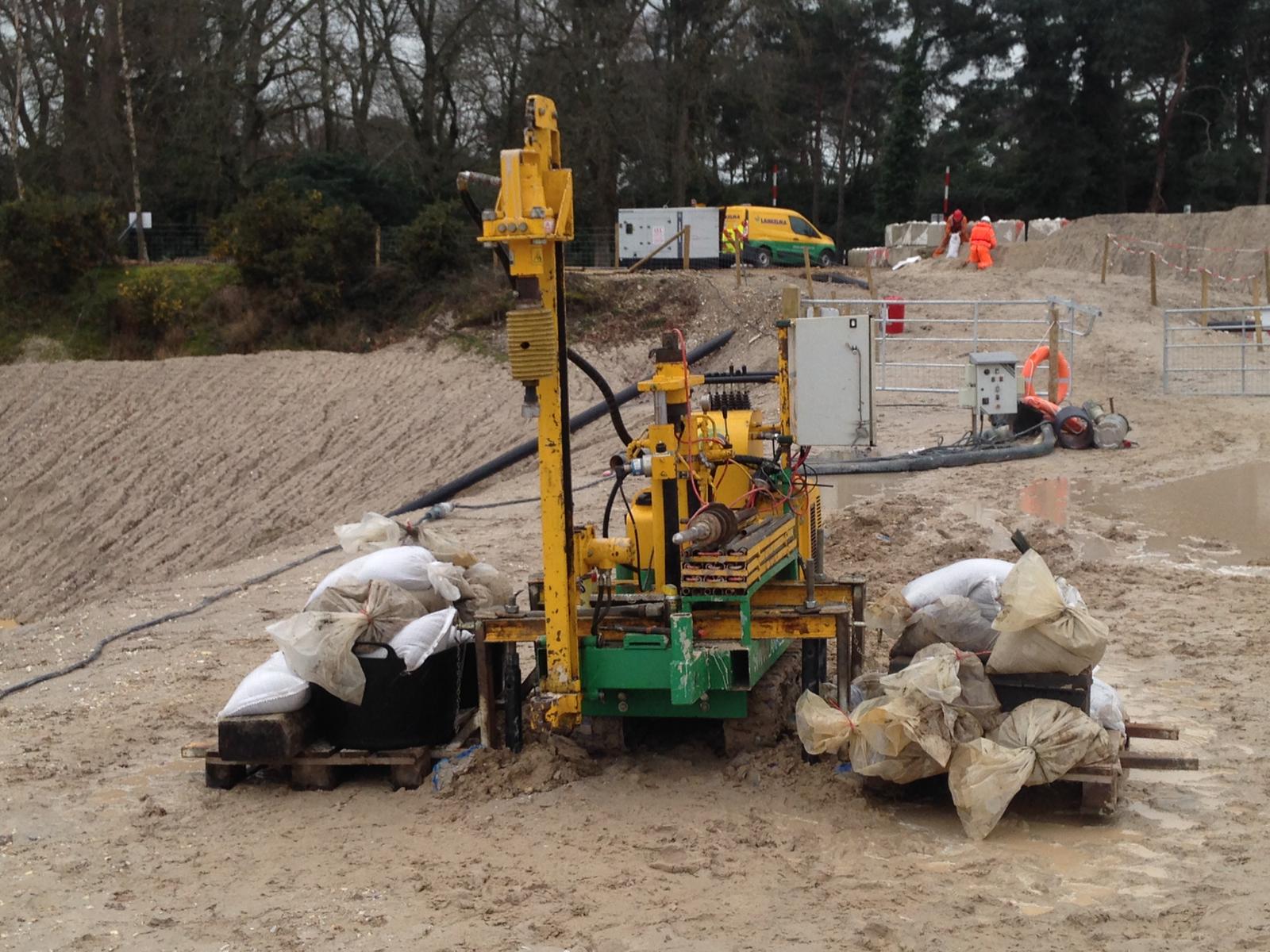
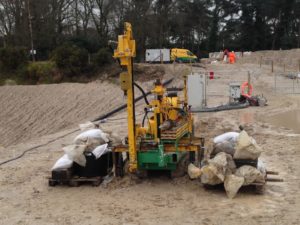 Our team came up with an ingenious, and sustainable, way of coping with a stiff clay layer when testing an embankment in a quarry in the south west.
As well as following the normal procedure of using screw anchors to fix the minicrawler rig to the ground, we fitted a frame either side of the rig allowing two tonnes of quarry sand to be used to provide extra reaction force for the push. This set-up ensured four CPTs could be carried out to a maximum depth of 16.5m. Project Engineer Paul Dimelow said: “This was a speedy and cost-effective method of acquiring data on a site with weight restrictions. The client was excited about using similar techniques on future projects and was dancing around the quarry in delight at the success of the testing!”
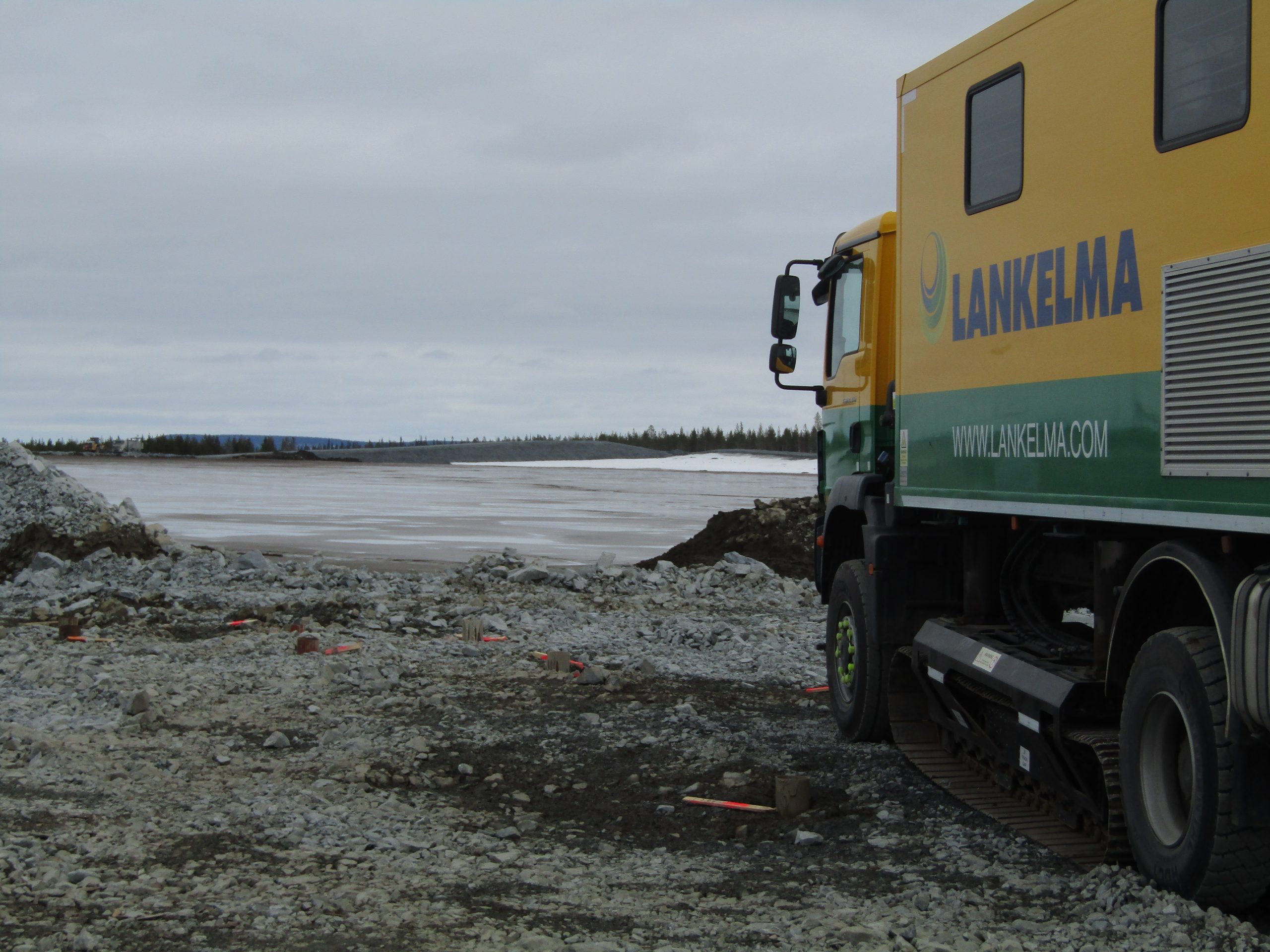
 We have just finished carrying out more than 150 CPTs and insitu shear vane tests to provide an accurate measurement of soil mixing column shear strength in Kittila, Finland. The 18m long columns were being used to raise a mine tailings dam.
Michel Julien, Vice-President, Environment, Agnico Eagle Mines, said: “I would like to take the opportunity to thank Lankelma’s team for its hard work, which has set a new standard in our company. We have collected a lot of very good data and our preliminary interpretation indicates the deep soil mixing has significantly improved the behaviour of the tailings.”
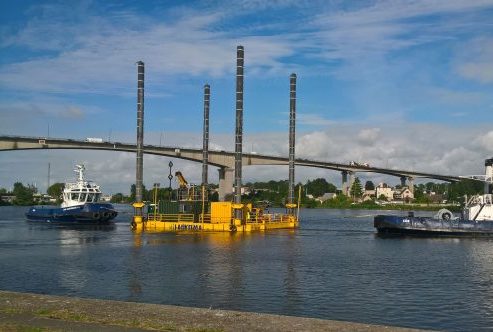
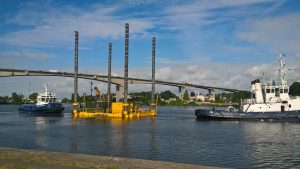
After completing a successful nearshore site investigation project in Southern Ireland, Lankelma’s Sandpiper C-5 jack-up is on the way to the next project in France.

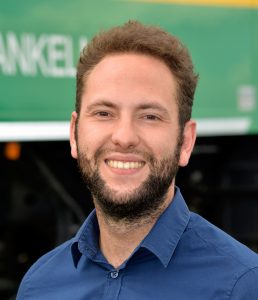 Reporting Engineer Chris Player has been with us for a couple of years. He is part of the engineering team, responsible primarily for data analysis and reporting.
… Continue reading


We’re exhibiting at this year’s Oceanology International 2018. Meet our team on stand D510 on 13th – 15th March at ExCel London. … Continue reading
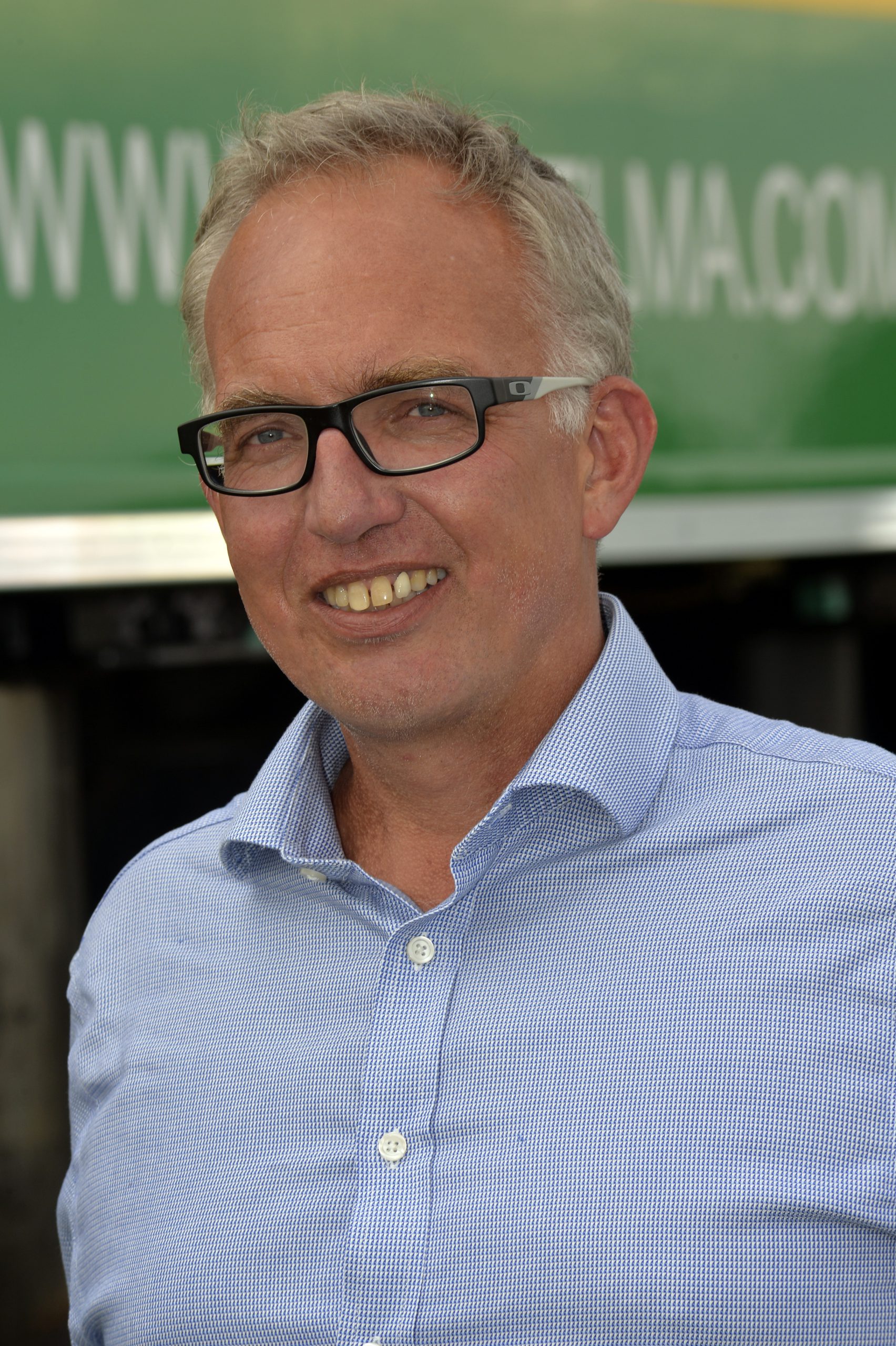
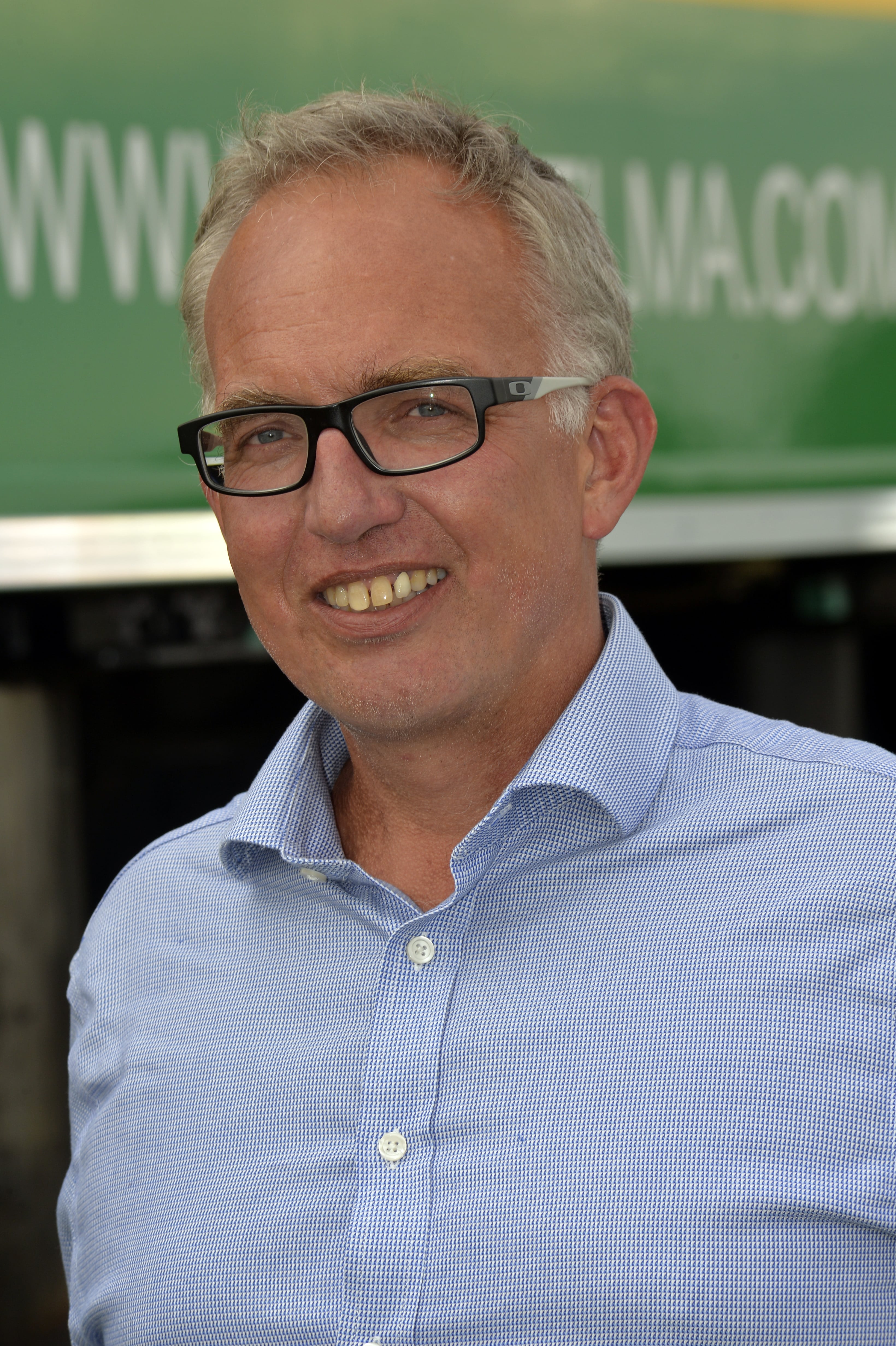
Eric Zon, Lankelma Managing Director, will be presenting at the Coastal Development Seminar held in London on 31st January 2018. … Continue reading